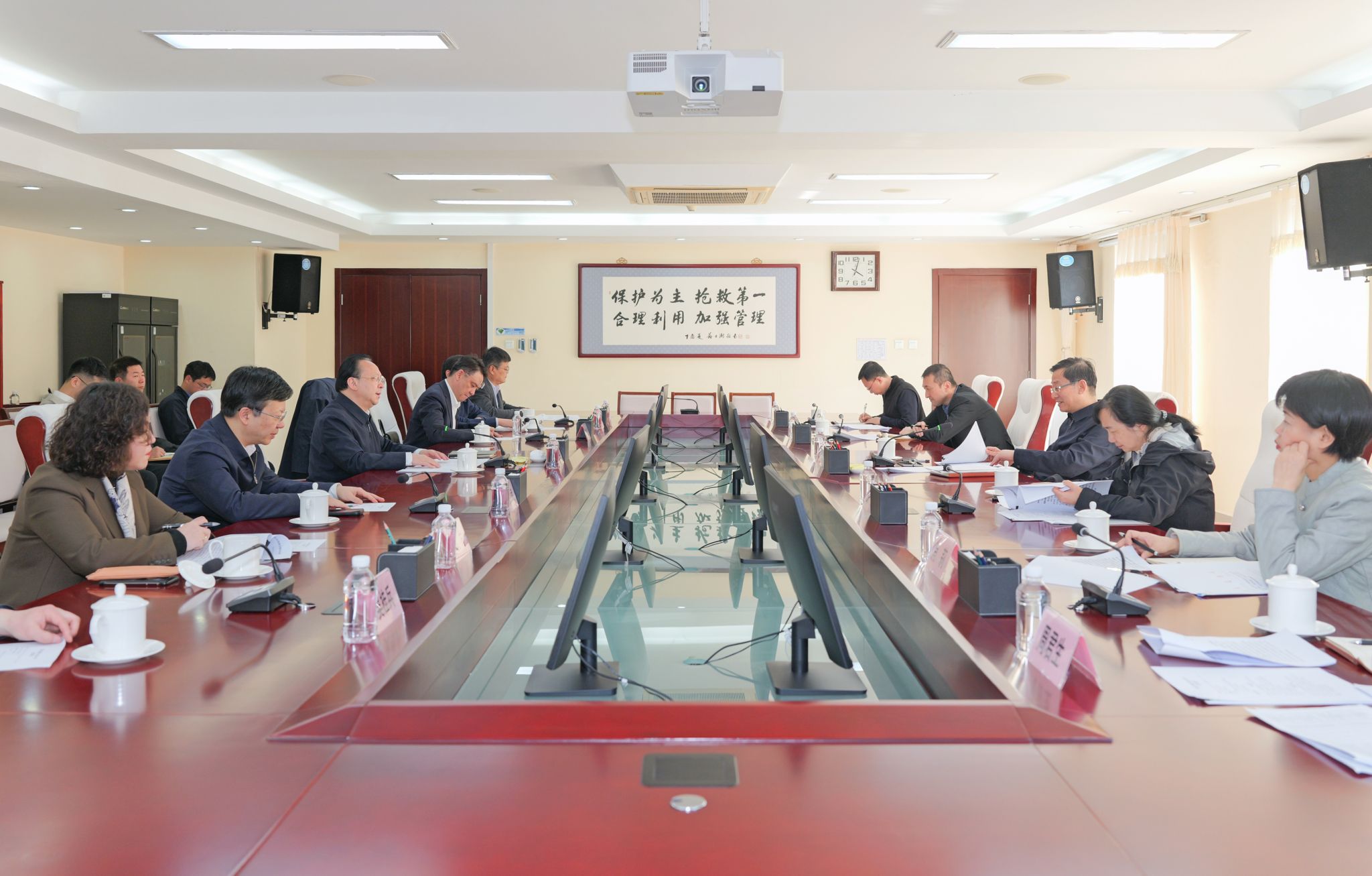
On April 7, Tan Tieniu, Chair of Nanjing University CPC Council and Academician of the Chinese Academy of Sciences, led a delegation to visit the National Cultural Heritage Administration. Rao Quan, Deputy Minister of the Ministry of Culture and Tourism and Director of the National Cultural Heritage Administration, attended the exchange seminar.
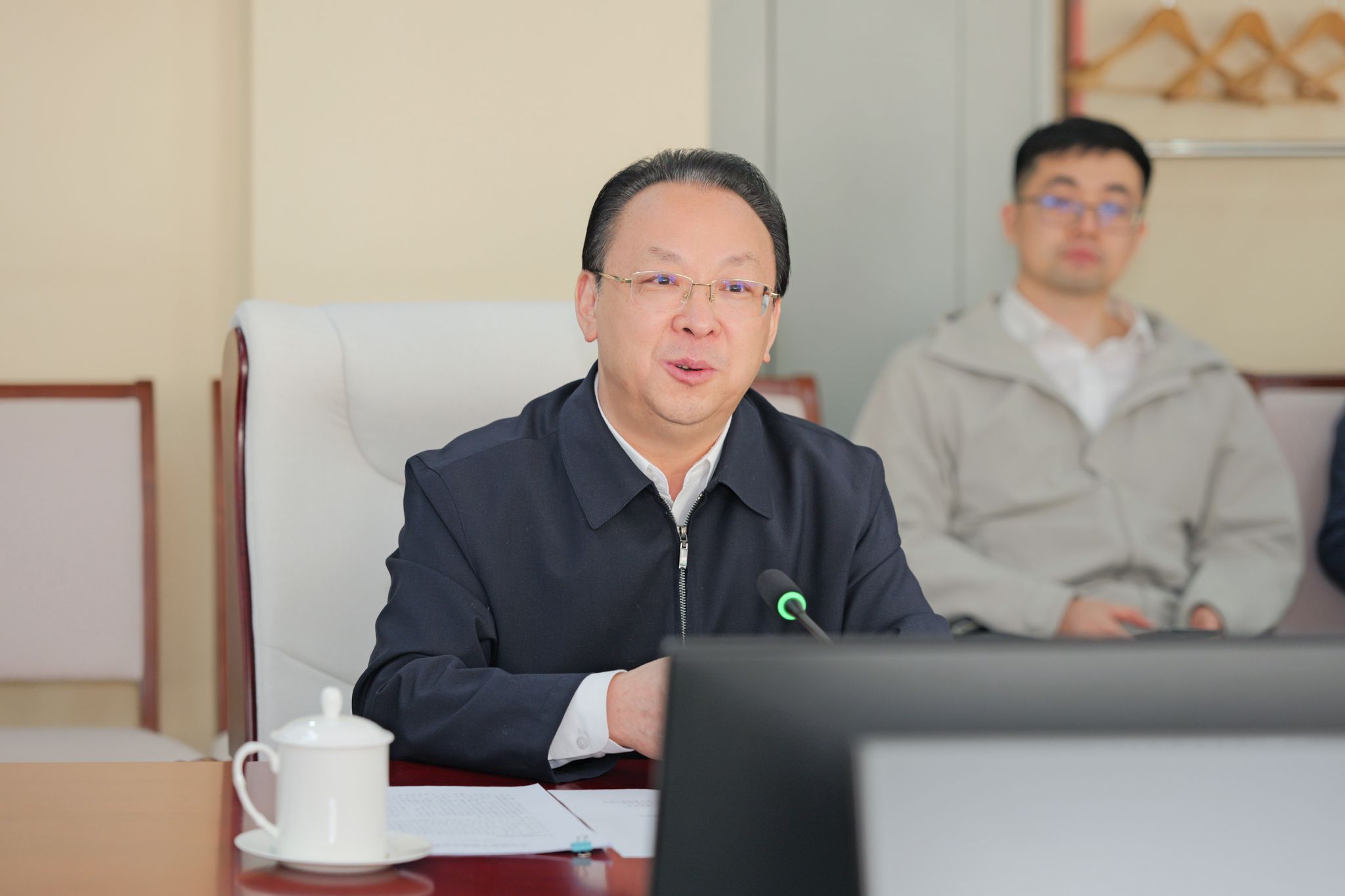
Tan Tieniu expressed heartfelt gratitude on behalf of the university for the concern and support from the National Cultural Heritage Administration towards NJU. He pointed out that NJU has a profound historical and cultural heritage and has made significant contributions to the development of higher education in China over its more than 120 years of operation. Facing the new era, as an important component of the national strategic scientific and technological force, NJU is deeply implementing the important spirit of General Secretary Xi Jinping's significant letter of reply. The university is dedicated to cultural inheritance and innovation, striving to set an example in strengthening cultural confidence and telling the Chinese story well. In recent years, the university has continuously explored and innovated in areas such as the inheritance and innovation of excellent traditional Chinese culture, the empowerment of new liberal arts development through artificial intelligence, and cultural heritage protection, achieving a series of results, accumulating rich experience, and forming unique advantages. Tan Tieniu put forward expectations for cooperation between the two side and expressed hope that the National Cultural Heritage Administration would continue to care for and support the development of NJU, and that both sides would work together to make new and greater contributions to the inheritance of Chinese civilization and the promotion of cultural exchange.
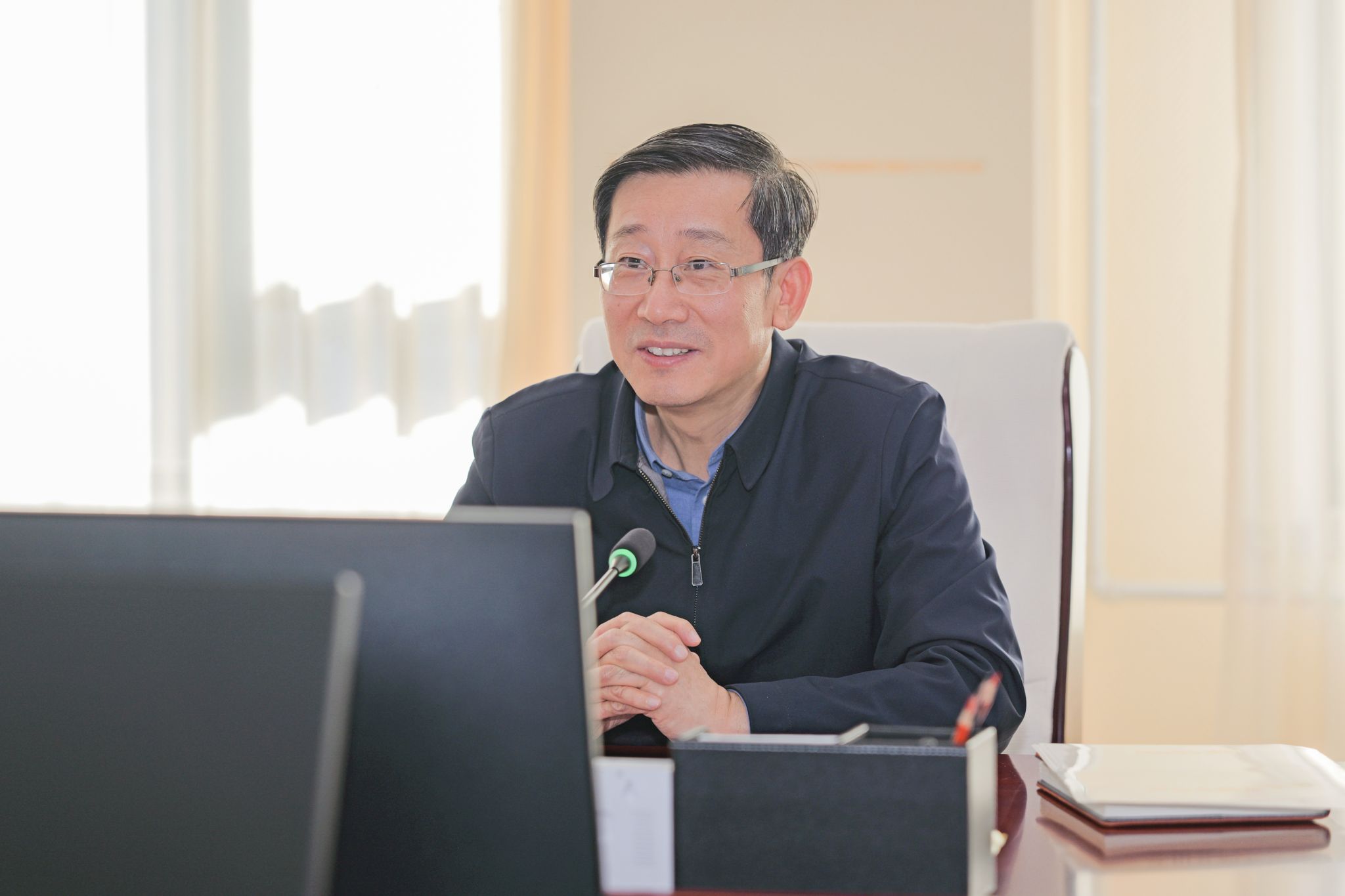
Rao Quan introduced the work achievements and development plans of the National Cultural Heritage Administration in fields such as artificial intelligence application research, joint archaeology, cultural relics aid, and cultural relic education. He pointed out that he hopes NJU can fully leverage its advantages in the application of artificial intelligence, actively participate in technology innovation projects related to cultural heritage protection, and strongly promote the empowerment of cultural heritage work through artificial intelligence; in terms of international cooperation, to strengthen exchanges and cooperation with relevant foreign institutions relying on professional archaeological teams; in the construction of the World Heritage magazine, to enhance international communication effectiveness through discourse system construction, telling both the Chinese heritage story and the world heritage story well, promoting the digital transformation of the journal, and strengthening the expert team; in deepening research on revolutionary cultural relics, to vigorously advance the construction of research centers for revolutionary memorials and play a greater role in building the disciplinary system, academic system, and discourse system of revolutionary cultural relics research. Rao Quan stated that the National Cultural Heritage Administration would fully support NJU in carrying out related work and looks forward to both sides jointly strengthening the cultivation of high-level talents urgently needed in archaeology, promoting the establishment of strategic cooperation between the Asian Cultural Heritage Protection Alliance and the World Data Organization, and solidly advancing the implementation and effectiveness of various cooperation matters.
The representatives at the meeting engaged in in-depth exchanges and discussions on specific cooperation matters such as the development of archaeology as a profession, talent cultivation, platform construction, journal construction, and cultural relic protection.
University leaders Suo Wenbin and Li Bin, as well as heads of relevant units from the National Cultural Heritage Administration and Nanjing University, attended the seminar.