From March 23 to 25, Tan Tieniu, Chair of Nanjing University CPC Council and Academician of the Chinese Academy of Sciences (CAS), visited Suzhou campus. He held discussion sessions with the leadership teams and staff representatives of the School of Robotics and Automation, School of Intelligent Software and Engineering, School of Intelligence Science and Technology, School of Frontier Sciences, School of Digital Economy and Management, School of Integrated Circuits, Nanjing-Helsinki Institute in Atmospheric and Earth System Sciences, and School of Sustainable Energy and Resources, to deeply investigate the construction and development of various facultiess at the Suzhou campus.
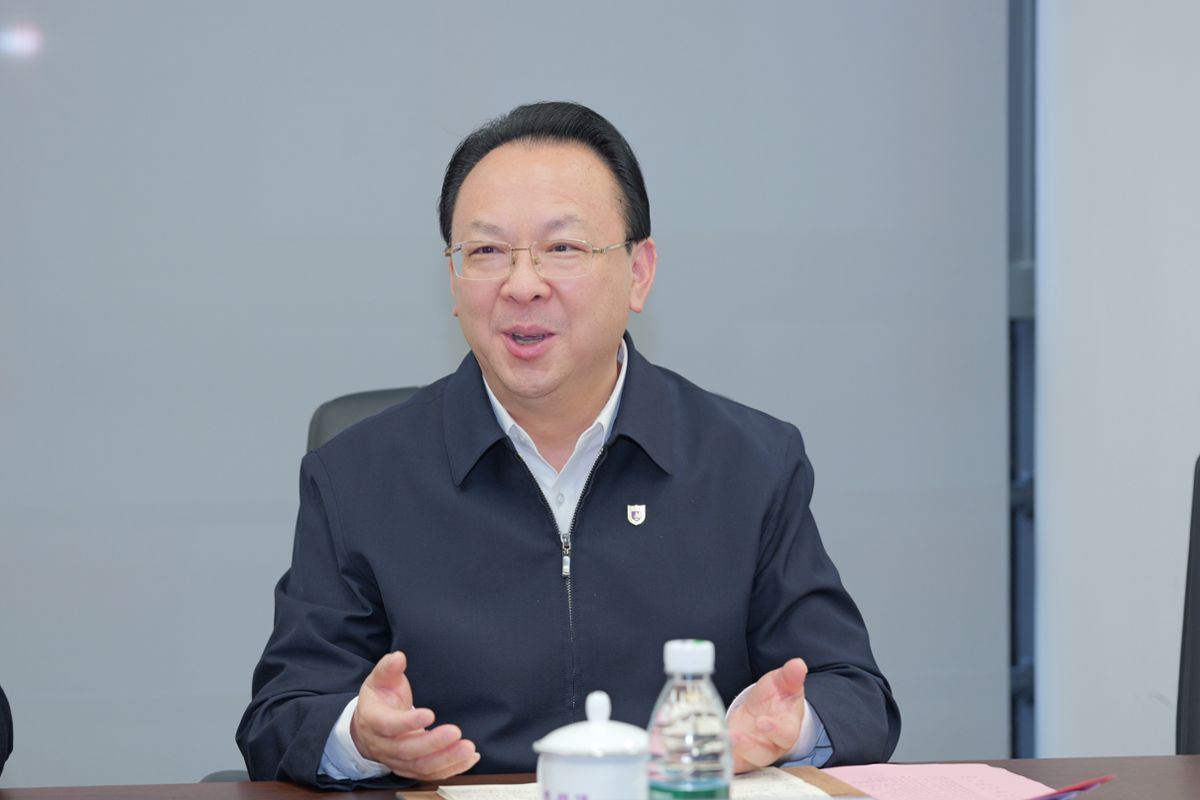
During the visit, Tan Tieniu listened to reports from the heads of each school regarding the basic situations of party building, discipline construction, talent cultivation, team building, scientific research innovation, open education, integration of industry and academia, social services, the "15th Five-Year Plan," and key tasks. He gained an in-depth understanding of the needs of faculty and students as well as issues in school development. He highly affirmed the development achievements of the schools in Suzhou and emphasized the need to further liberate thoughts, break conventions, and accelerate the promotion of new breakthroughs in the construction and development of the Suzhou campus.
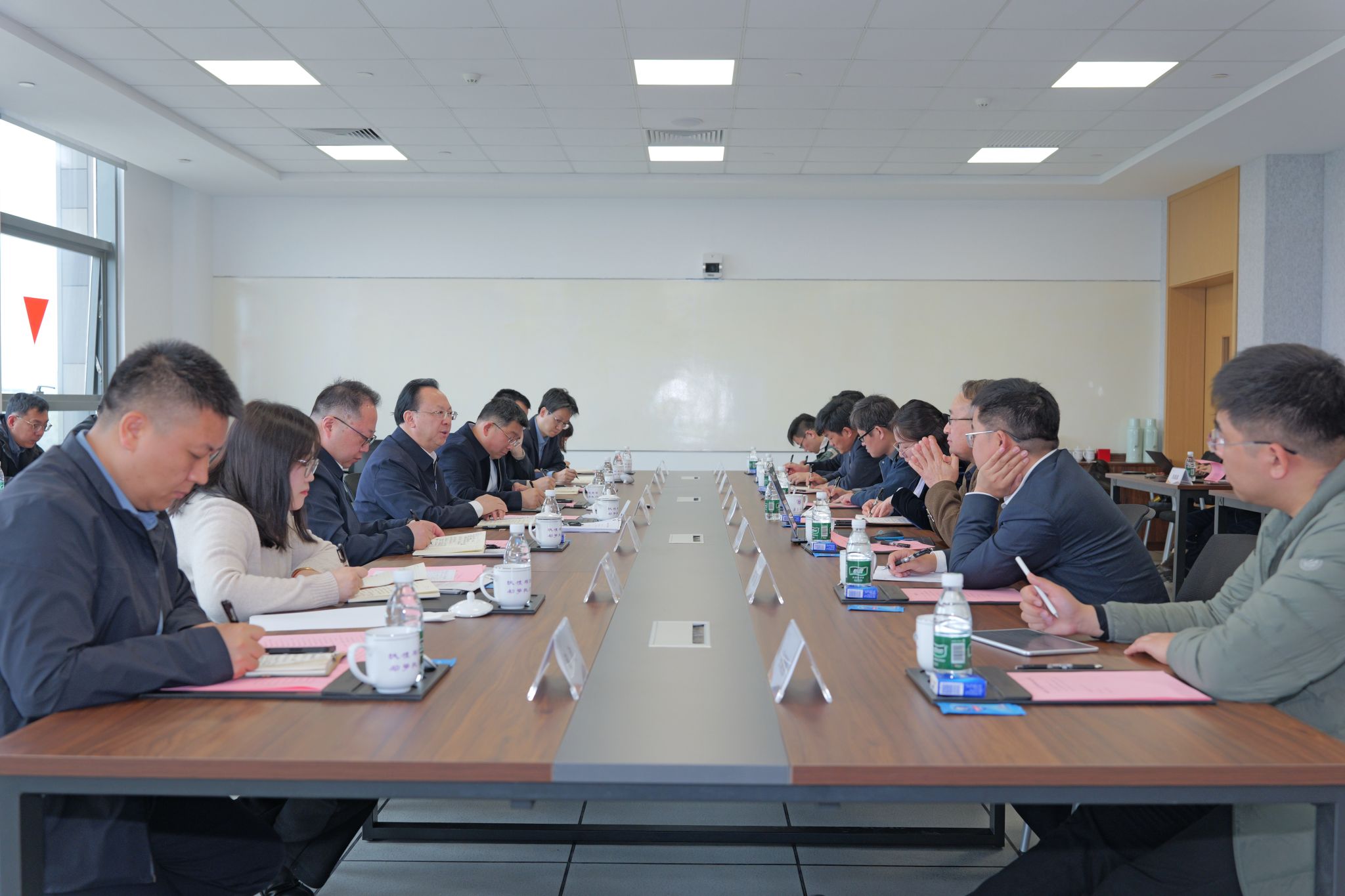
Discussion Session at the School of Robotics and Automation
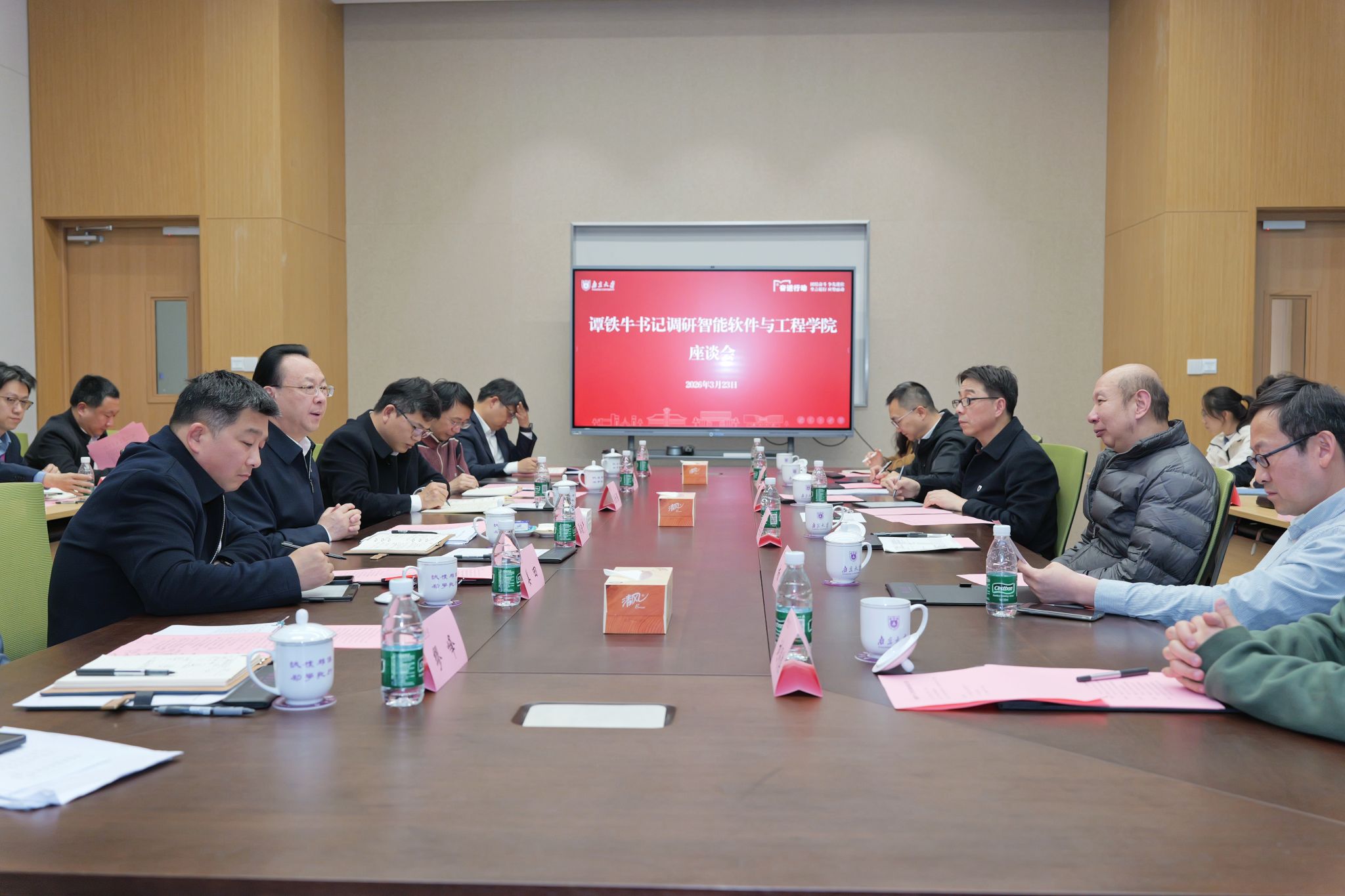
Discussion Session at the School of Intelligent Software and Engineering
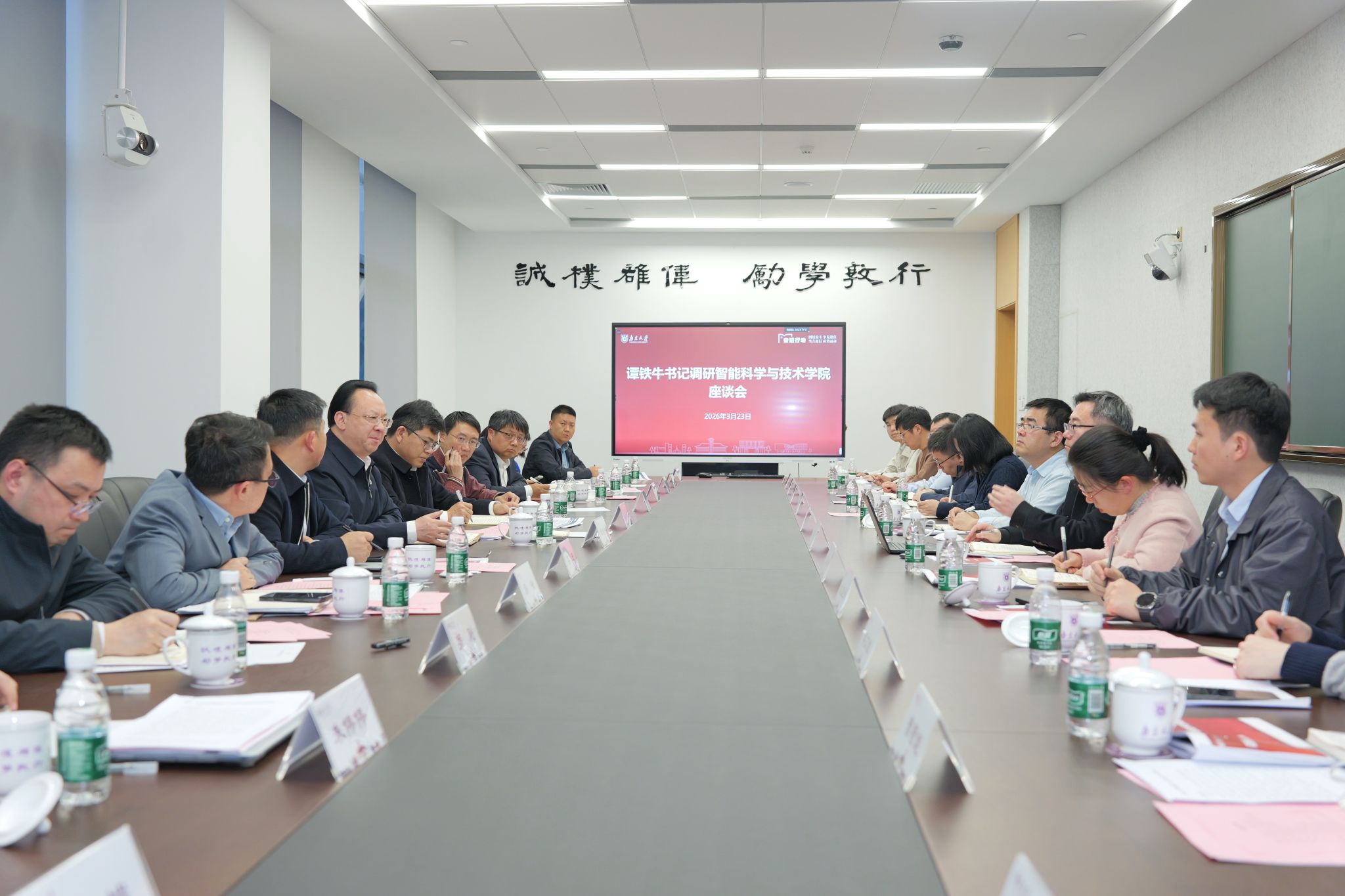
Discussion Session at the School of Intelligence Science and Technology
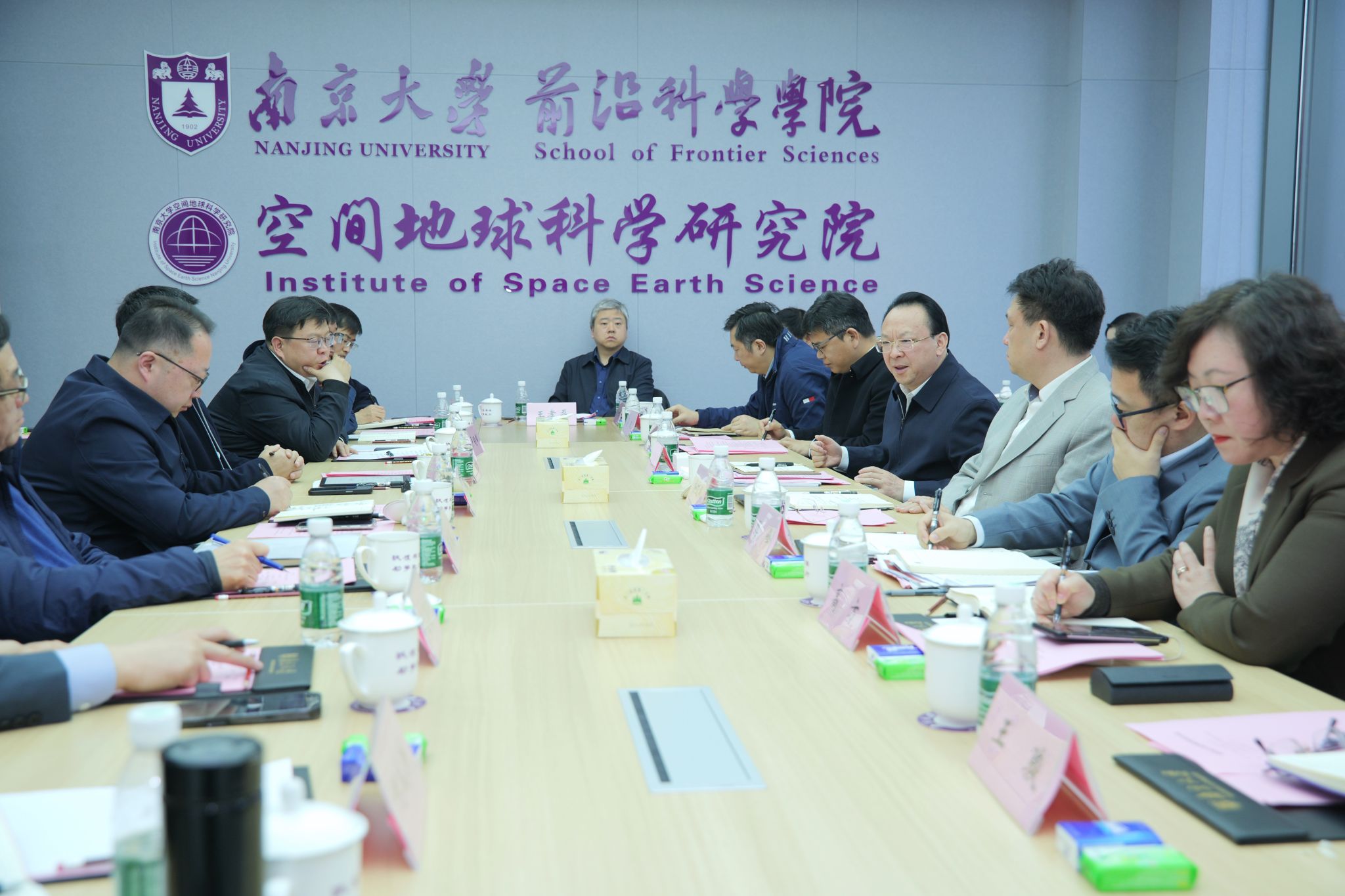
Discusion Session at the the School of Frontier Sciences
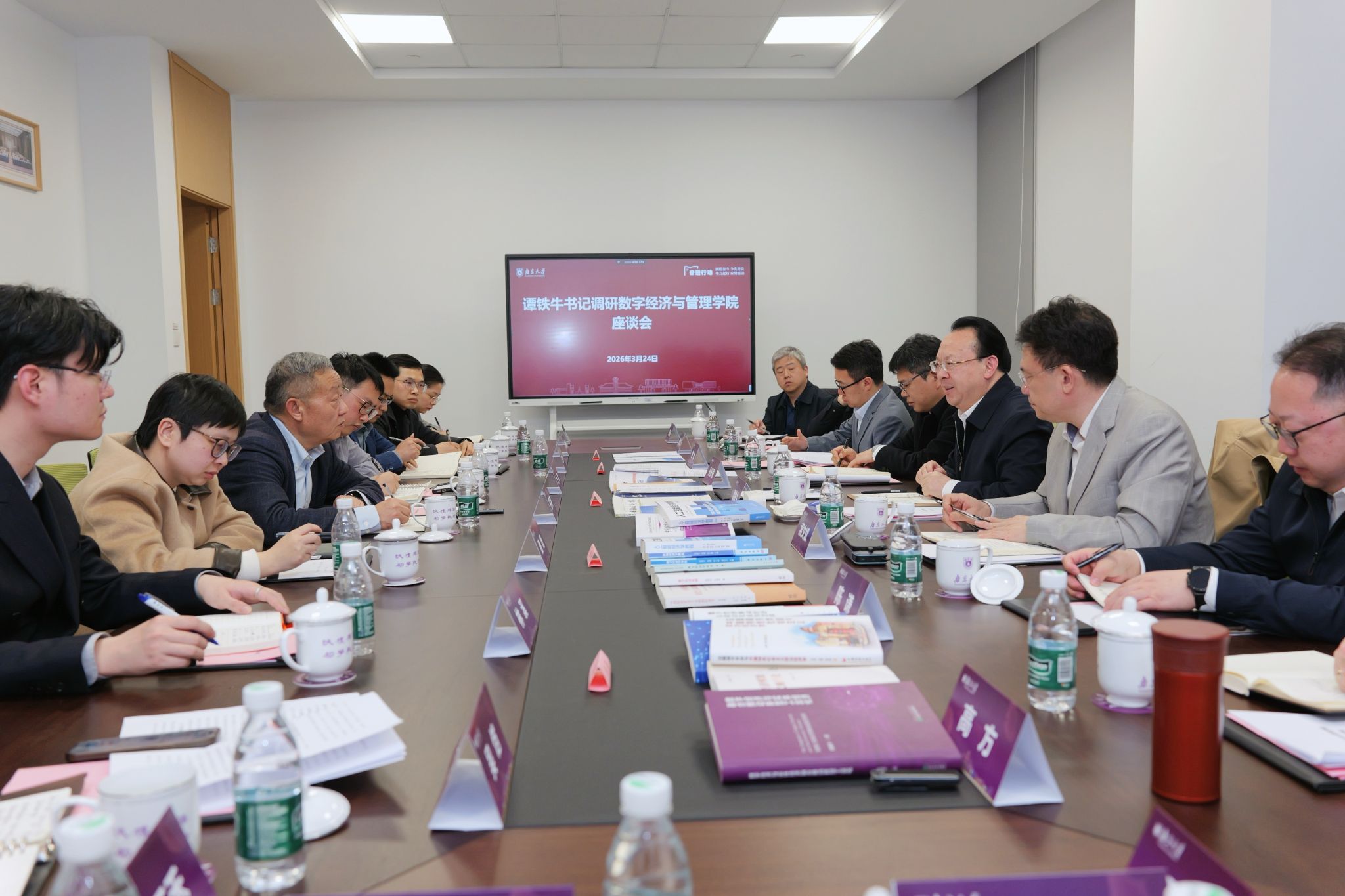
Discussion Session at the School of Digital Economy and Management
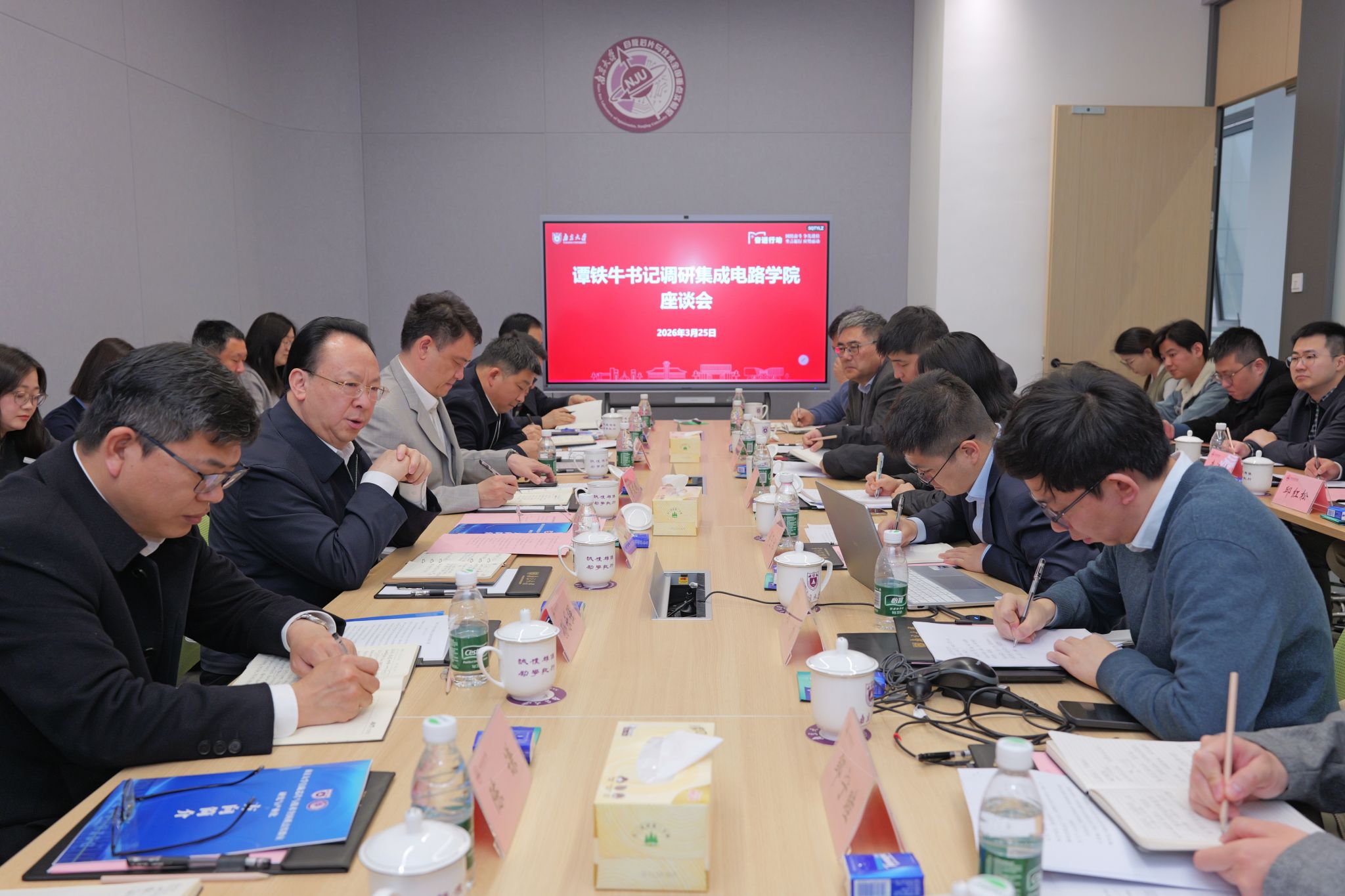
Discussion Session at the School of Integrated Circuits
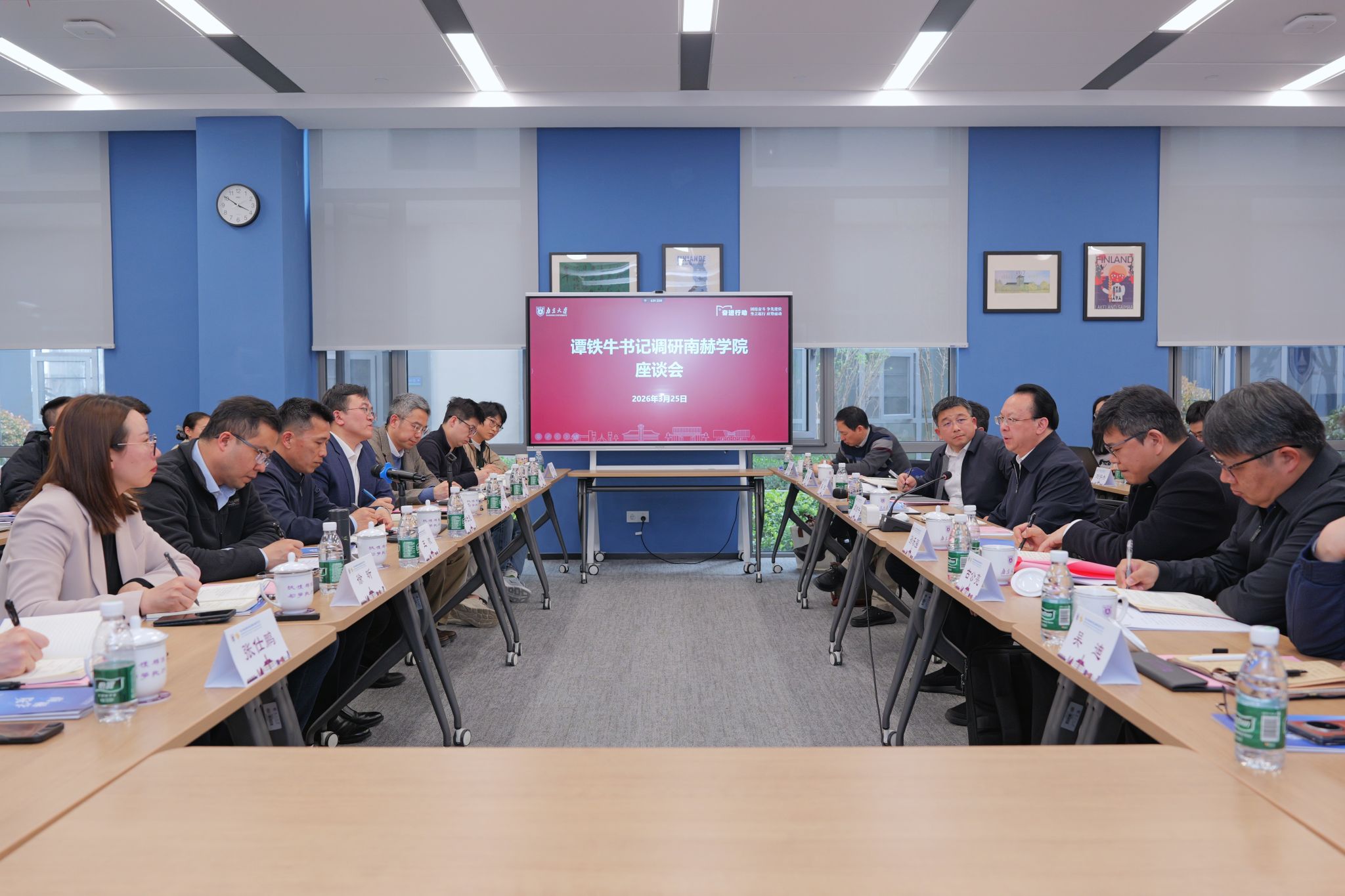
Discussion Session at the Nanjing-Helsinki Institute in Atmospheric and Earth System Sciences
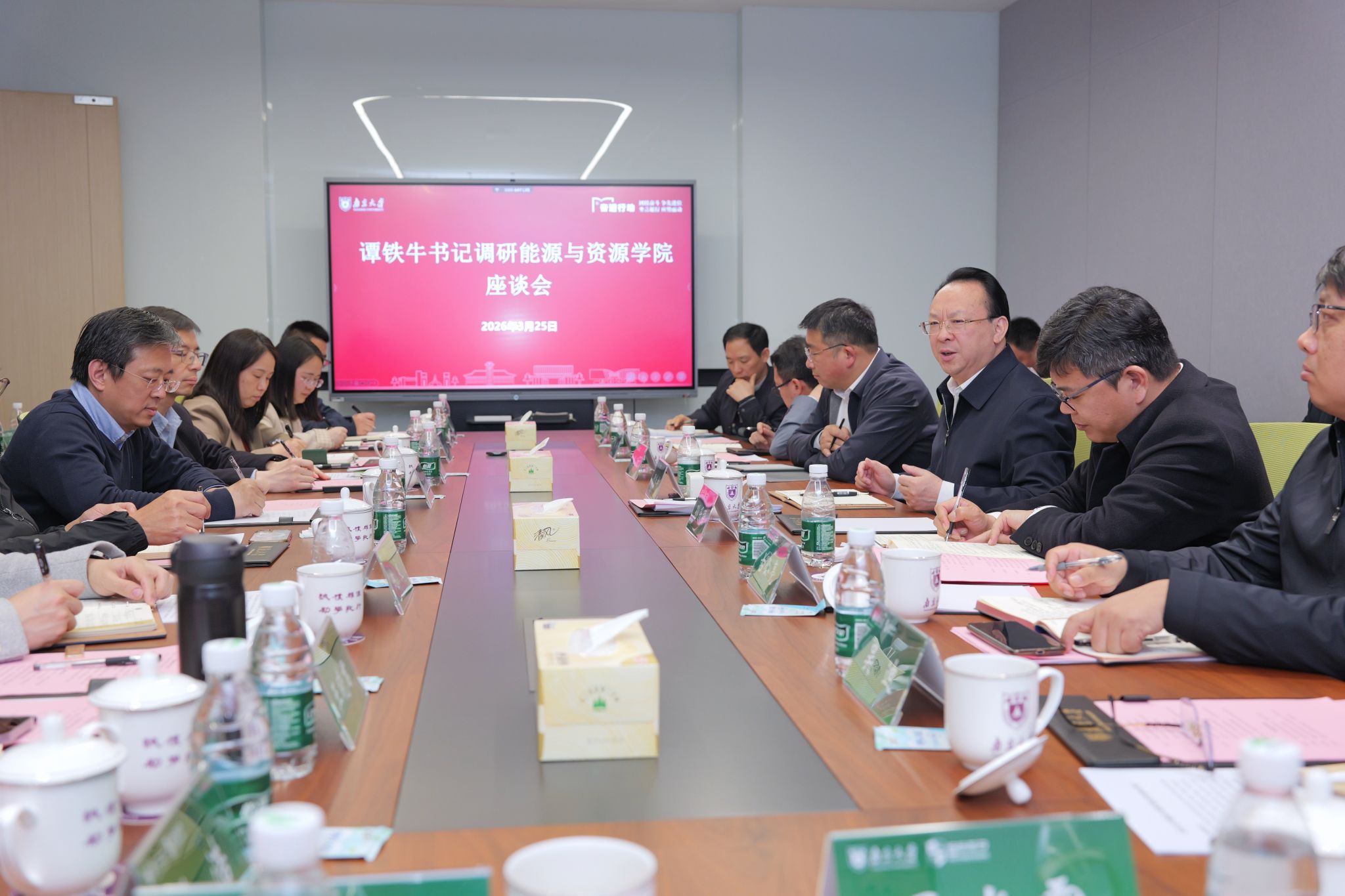
Discussion Session at the School of Sustainable Energy and Resources
At the sessions, representatives actively spoke, engaging in in-depth exchanges and discussions on topics such as school infrastructure construction, platform development, talent team building, progress in research projects, training of top innovative talents, management of research funding, school-enterprise cooperation, school-local collaboration, and the integration of industry and academia, and proposed a series of constructive opinions and suggestions for the shools’ construction and development. Relevant issues were responded to by responsible colleagues from the General Office, Suzhou Campus Management Committee, Human Resource Office, Office of Science and Technology, Office of Humanities and Social Sciences, Office of Discipline Construction and Development, Undergraduate School, Graduate School, and the National College for Excellent Engineers.
University leaders Suo Wenbin, Sun Leqiang, and Jiang Tian accompanied the visit.