From 2023 to 2025, Nanjing University is fully implementing the "Forging Ahead Initiative", marking a three-year period that is also a critical time for strategically strengthening "organized scientific research" while maintaining NJU's tradition of "free exploration". Facing the urgent need for the country to achieve high-level technological self-reliance and strength, NJU has achieved a series of landmark results in the journey of technological innovation, injecting strong momentum into building a world-class university with Chinese characteristics and NJU style.
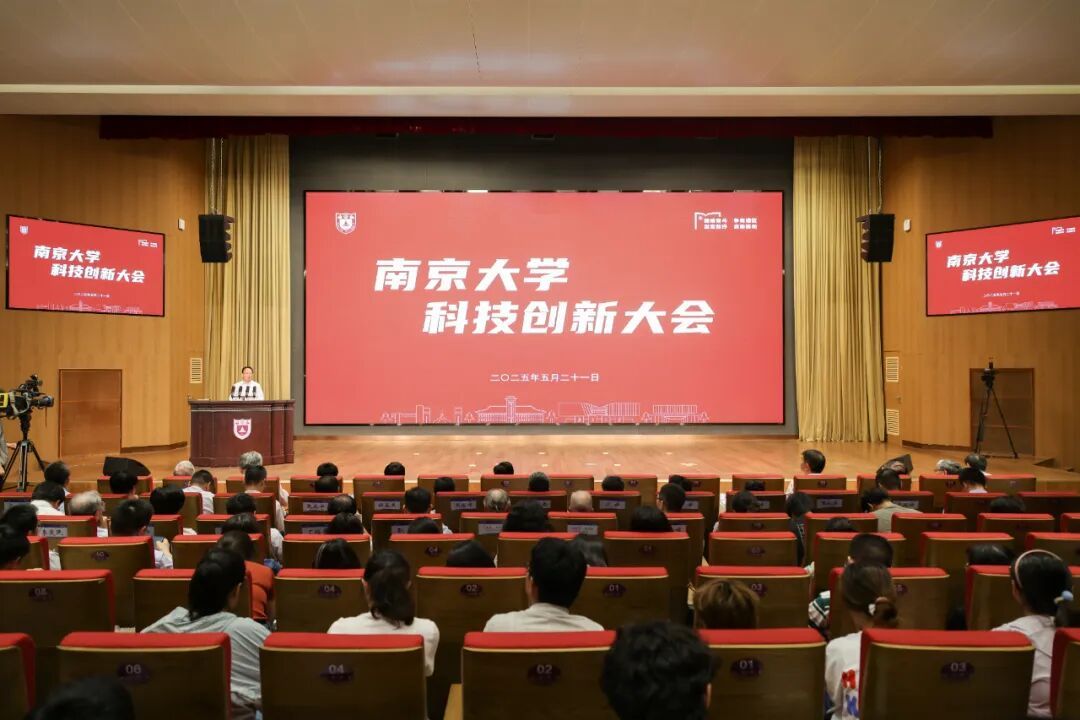
Tan Tieniu speaks at the NJU Science & Technological Innovation Conference.
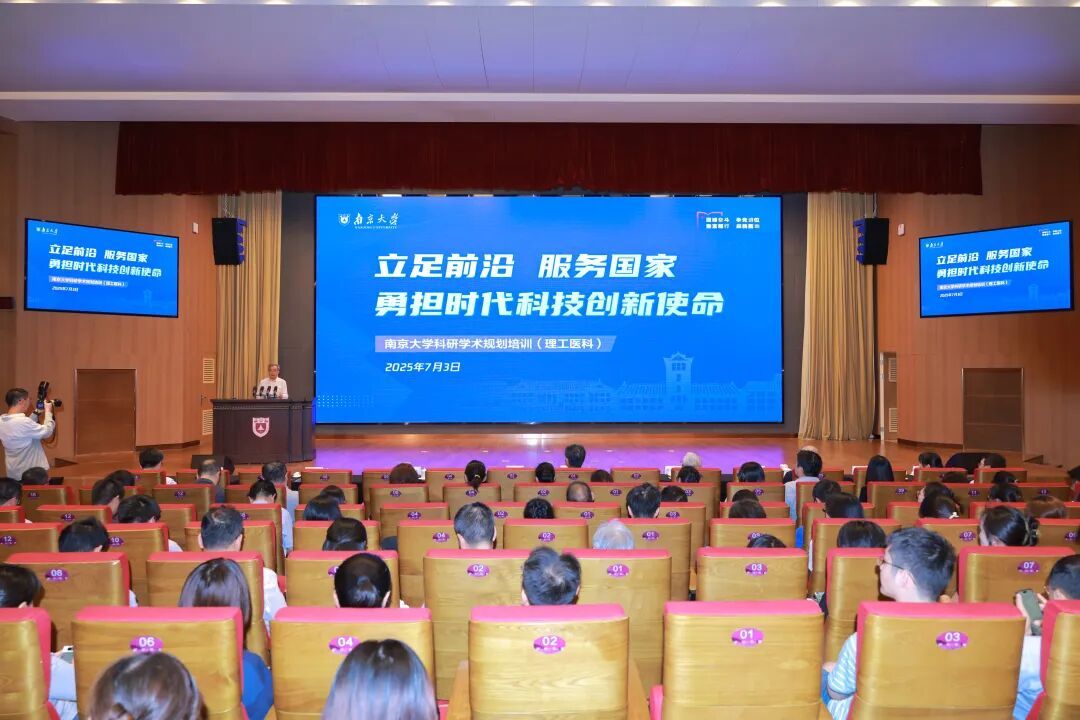
Tan Zheming attended speaks at the first session of NJU Academic Research Planning Training (Science, Engineering, and Medicine).
Funding Scale Achieves Historic Leap
Over the three years of implementing the "Forging Ahead Initiative", the foundational support and resource-gathering capabilities for the university's technological innovation have significantly strengthened, and total research funding has achieved a leap. NJU's R&D funding continuously increased, surpassing 3.17 billion yuan in 2025. The continuous rise in funding not only reflects the university's leap in undertaking major national tasks but also provides a solid guarantee for conducting frontier exploration and tackling key technologies.
"789 Technological Tackling Plan" Draws a New Blueprint
To systematically address the challenge of "fragmentation" in research organization and strengthen targeted responses to national strategic needs, NJU has proactively laid out and fully implemented the "789 Technological Tackling Plan." This plan targets seven major basic issues at the forefront of world science, eight major technological tackling tasks, and nine major innovation technology transformation clusters. It aims to enhance the ability to address national strategic needs through an interdisciplinary and structured research organization model. The first batch of the plan focuses on key directions, establishing 15 major projects, with the selection of the second batch already underway. This marks the NJU's organized scientific research entering a new stage of systematic tackling and continuous iteration, providing a clear strategic guide for future technological breakthroughs.
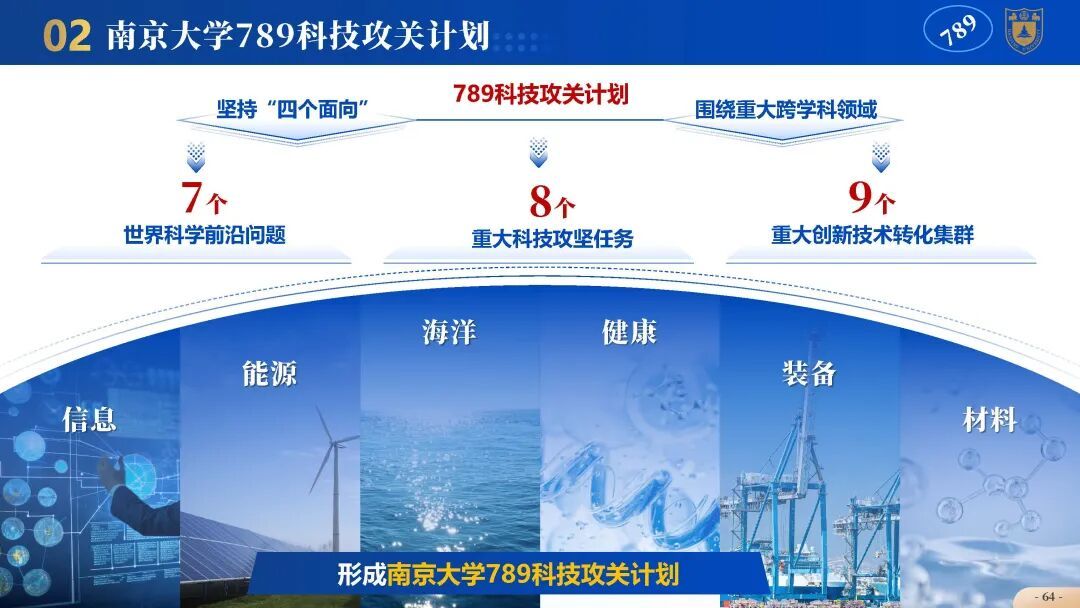
structure of the "789 Technological Tackling Plan"
Original Achievements Shine on the International Frontier
Facing the world's scientific frontiers, NJU continues to make breakthrough progress in basic research. "Xihe" as China's first sun exploration satellite opens the country's "space sun exploration era," receiving affirmation from General Secretary Xi Jinping. Its successor, the "Xihe-2" Sun-Earth L5 sun exploration project, was successfully approved in 2025 with a total investment of 640 million yuan, setting a new record for the university's single research project funding. The "Deep-time Digital Earth" (DDE) global scientific collaboration, led by NJU, is steadily developing, significantly enhancing China's international influence in the field of Earth sciences.

Xihe sun exploration satellite
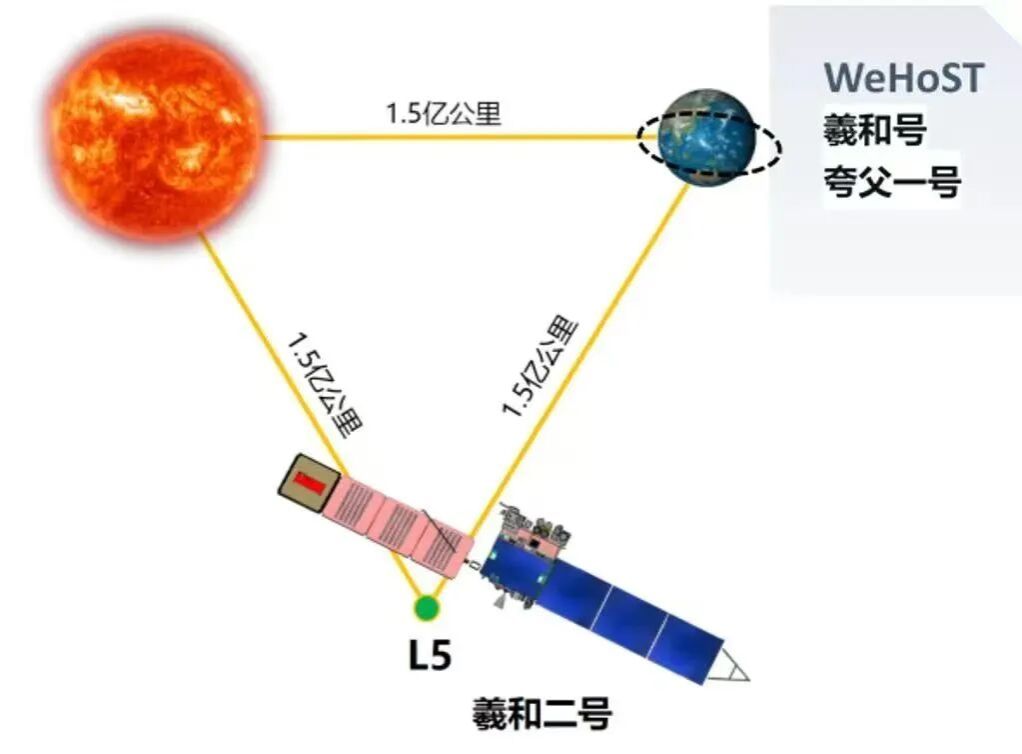
Schematic diagram of the integrated and stereoscopic observation system of Xihe-2
Over the past three years, NJU has published 36 research articles in the main issues of Nature and Science, doubling the number of top-tier academic papers. Three major original achievements were selected as "Top Ten Scientific Advances in China", continuously making breakthroughs in frontier directions such as topological physics, graviton excitation, and planetary evolution. NJU's Nature Index consistently ranks among the top global universities, winning five national science and technology awards and being selected for two A-class National Natural Science Foundation of China Outstanding Research Group Projects, showcasing its profound foundation in basic research and international academic influence.
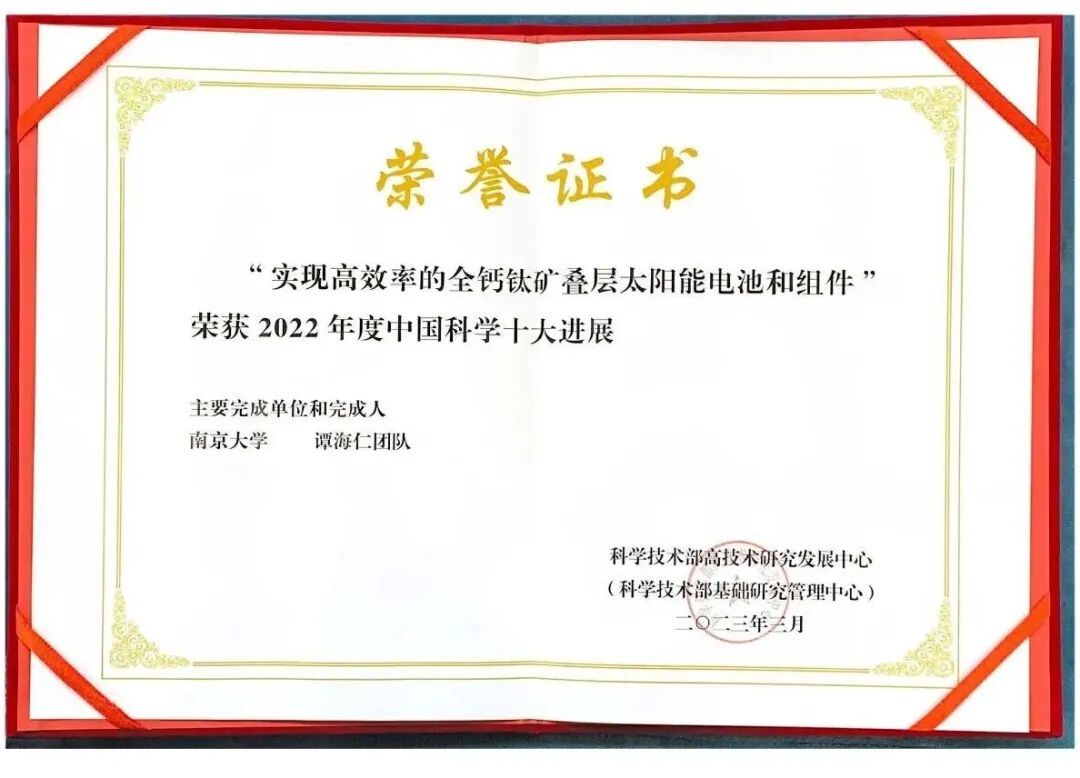
Achievement of Tan Hairen's team selected as one of the Top Ten Scientific Advances in China in 2022
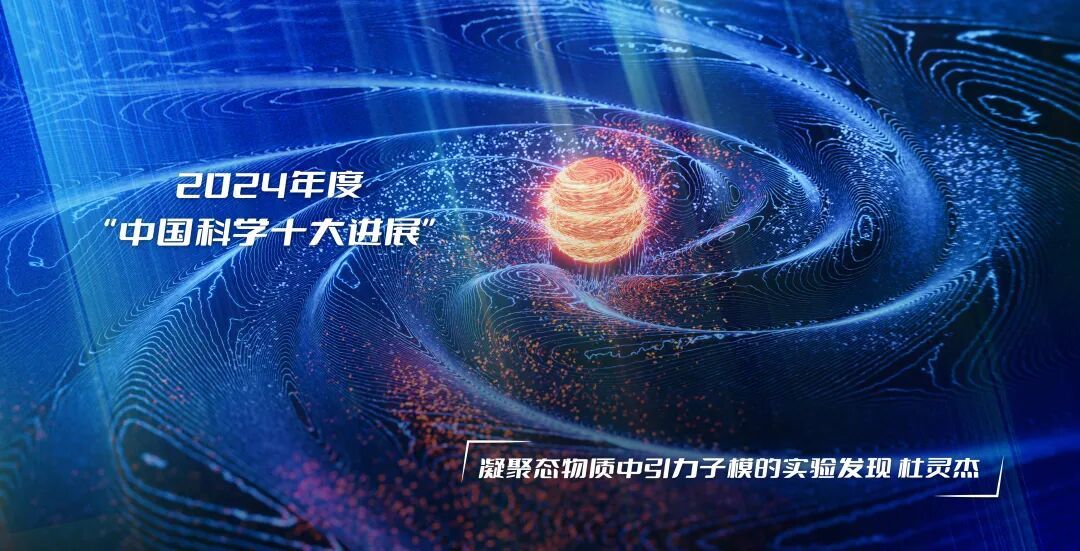
Achievement of Du Lingjie's team selected as one of the Top Ten Scientific Advances in China in 2024
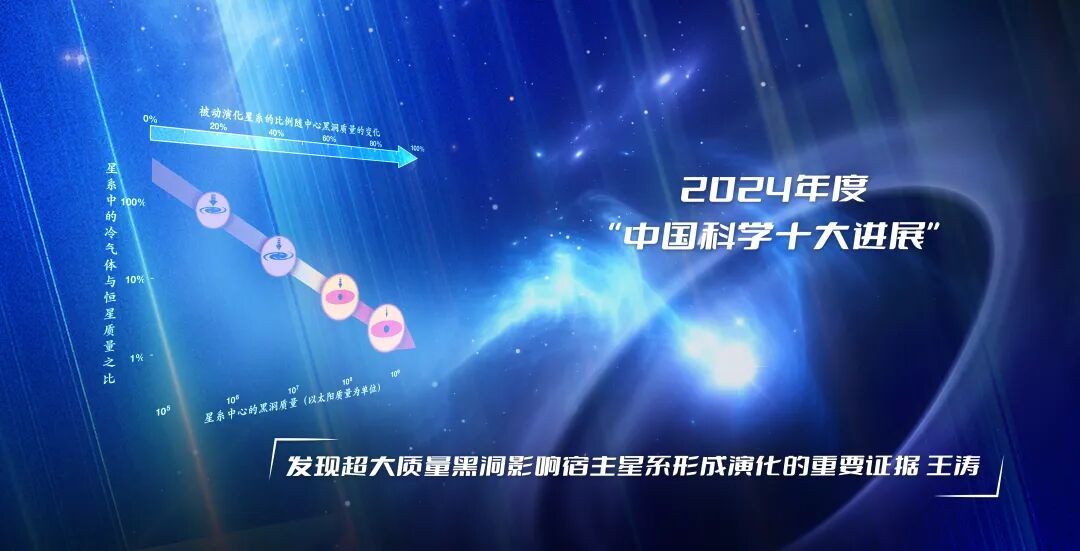
Achievement of Wang Tao's team was selected as one of the Top Ten Scientific Advances in China in 2024
Develop Independent and Controllable Key Technologies
Facing major national needs, NJU focuses on key areas, organizing elite forces for organized tackling. Professor Tan Hairen's team from the School of Engineering and Applied Sciences has continuously made breakthroughs in the field of perovskite photovoltaics, refreshing the world record for the photoelectric conversion efficiency of all-perovskite tandem cells 12 times in a row. In the field of materials, the successful development of new nylon processes broke the long-term foreign technological monopoly.
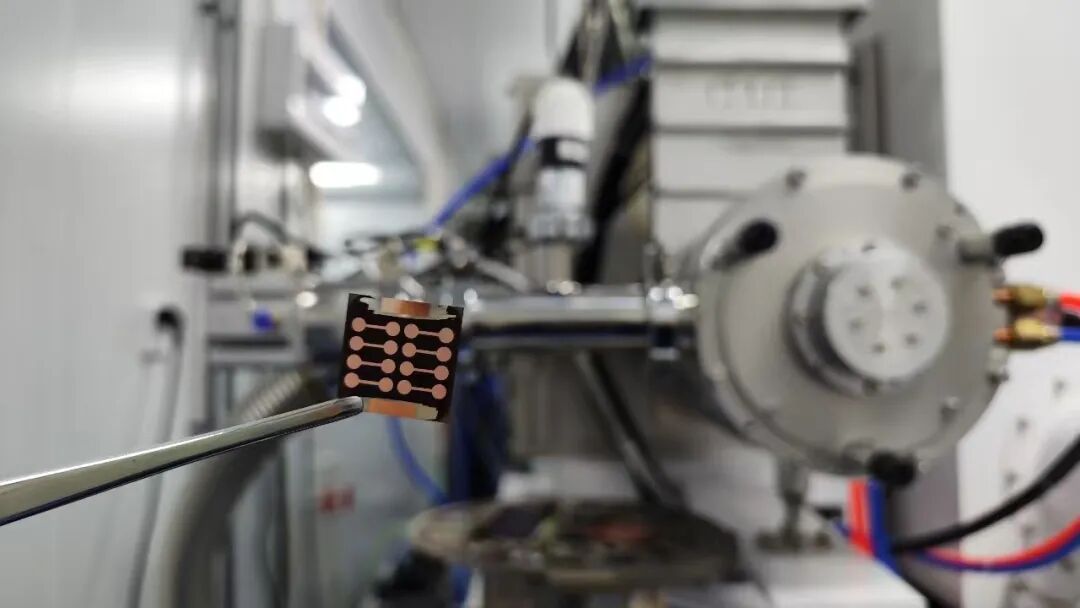
Perovskite tandem cells
NJU has systematically laid out and built demonstration zones for major organized scientific research tackling tasks such as "Imaging and Sensing Technology" and "Atomic Manufacturing." The key indicators of the ultra-high pixel imaging chip independently developed by the "Imaging and Sensing Technology" organized research demonstration zone have reached international leading levels and were successfully launched into orbit in December 2025 on the Kuaizhou-11 rocket, supporting the application of eight national-level new projects.

Self-developed remote sensing payload launched successfully on the Kuaizhou-11 rocket
Strengthen High-Level Platform System Support
NJU seizes the opportunity of restructuring national key laboratories, constructing a hierarchical and strongly supportive platform system. Currently, the university has nine national key laboratories, leading the construction of six and participating in the construction of three. In 2025, NJU organized and led the application for the Ministry of Education's original innovation capability enhancement projects for all heavy laboratories, all of which were approved, with a total investment of about 225 million yuan. Additionally, 24 high-level platforms such as new national field scientific observation and research stations and Ministry of Education integrated tackling major platforms were added.
The cultivation of major scientific and technological infrastructure has achieved key progress. The construction of the "Atomic-Level Manufacturing" big science device has been recognized and instructed by central leaders. The 2.5-meter solar telescope and extreme ultraviolet photoelectron spectrometer were successfully selected for national major scientific research instrument development projects. The university also led the application for multiple scientific research capacity-building projects such as the "Extreme Characterization and Regulation Innovation Service Platform Equipment Renewal Project", continuously strengthening scientific research hard power.
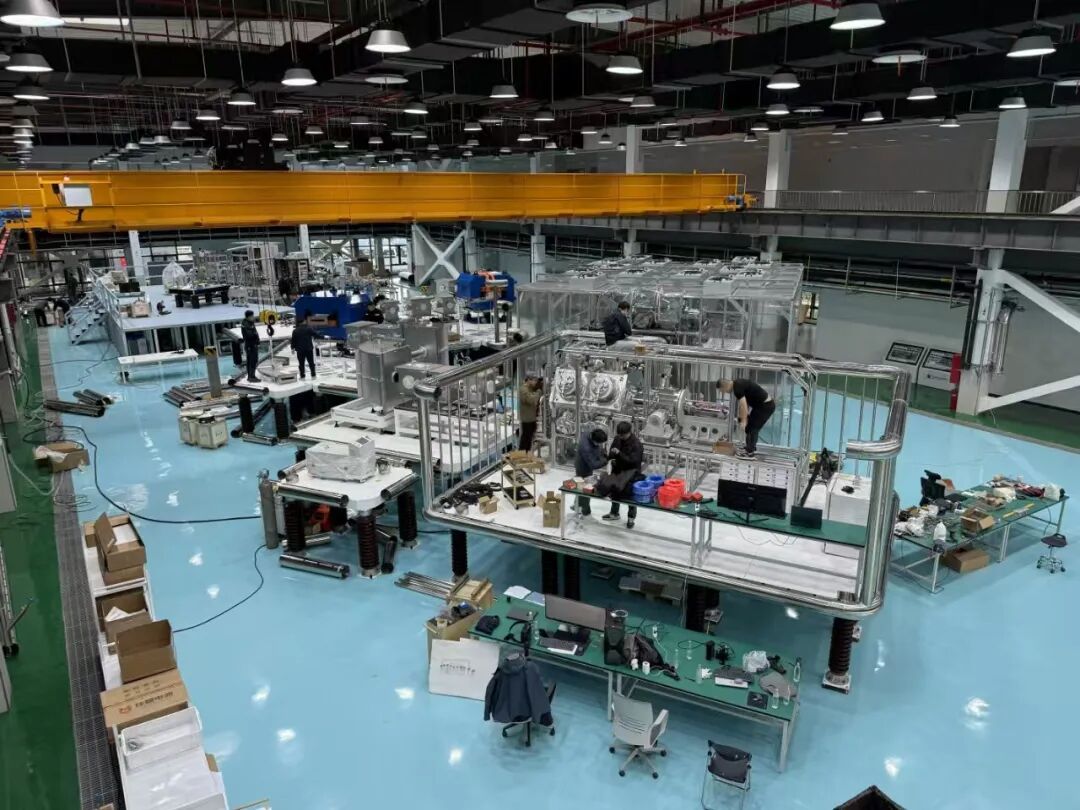
Atomic-level manufacturing device
Achieve Significant Results in Serving Economic and Social Development
NJU vigorously promotes deep integration of technological innovation and industrial innovation, significantly enhancing its ability to serve regional development. Over the past three years, 45 new university-enterprise industry-academia-research cooperation institutions were added, with new cooperation funding of 730 million yuan, showing a trend of "dual increase in quantity and quality." A total of 3,791 horizontal projects were signed, with a total contract amount of about 1.74 billion yuan.
The efficiency of technology transfer and transformation is accelerating. Since 2023, 167 technology transfer contracts have been signed, transforming 360 achievements, with a received amount of 180 million yuan. International patent layout continues to strengthen, with 143 authorizations.
The Suzhou campus has become a new benchmark for campus-local integration. The campus focuses on strategic emerging industries, forming a three-dimensional academic layout of "10 colleges + 10 research institutes + 4 research centers," deeply integrating with local industrial clusters. It has built one billion-level central enterprise joint research institute, three ten-million-level university-enterprise joint laboratories, and other important platforms, with cumulative cooperation agreement amounts reaching 261 million yuan.
Expand Technological Innovation Talent Team
NJU always regards talent as the core element of technological innovation, systematically laying out scientific research projects and platforms, vigorously cultivating and supporting the growth of strategic scientists and young top talents. Through the implementation of the "Nursery Plan", the first batch selected and supported 151 potential young teachers; 60 "AI for Science" special projects were established, with 30 specifically supporting young scholars, guiding them to conduct frontier interdisciplinary exploration. These measures strongly supported the construction of the talent team. In 2025, NJU's Youth Science Fund Projects (Class A) approved 16 projects, extended three projects, ranking among the top in the country; the number of applications for Excellent Young (Overseas) reached 310, with 66 approvals, ranking first in the country, maintaining its traditional advantage and leading position in the field of basic research talent.
Three years of hard work, Nanjing University, with "organized scientific research" as the core lever, has systematically enhanced the overall efficiency of the technological innovation system, taking solid steps on the path of serving the country's high-level technological self-reliance and self-strengthening. From the leap in funding scale, breakthroughs in basic research, tackling key technologies, to the enhancement of platform levels, deepening of industry-education integration, and expansion of talent teams, a series of impressive achievements mark the decisive success of the first phase of the "Forging Ahead Initiative".
Looking to the future, Nanjing University will continue to use the "789 Technological Tackling Plan" as a strategic engine, fully promoting the construction of major national scientific devices such as the "Atomic-Level Manufacturing" big science device, implementing high-quality national major scientific tasks such as "Xihe-2," continuously deepening the reform of the scientific and technological system and mechanism, and contributing more vigorous Nanjing University power to the construction of a leading country in education, technology and talent.