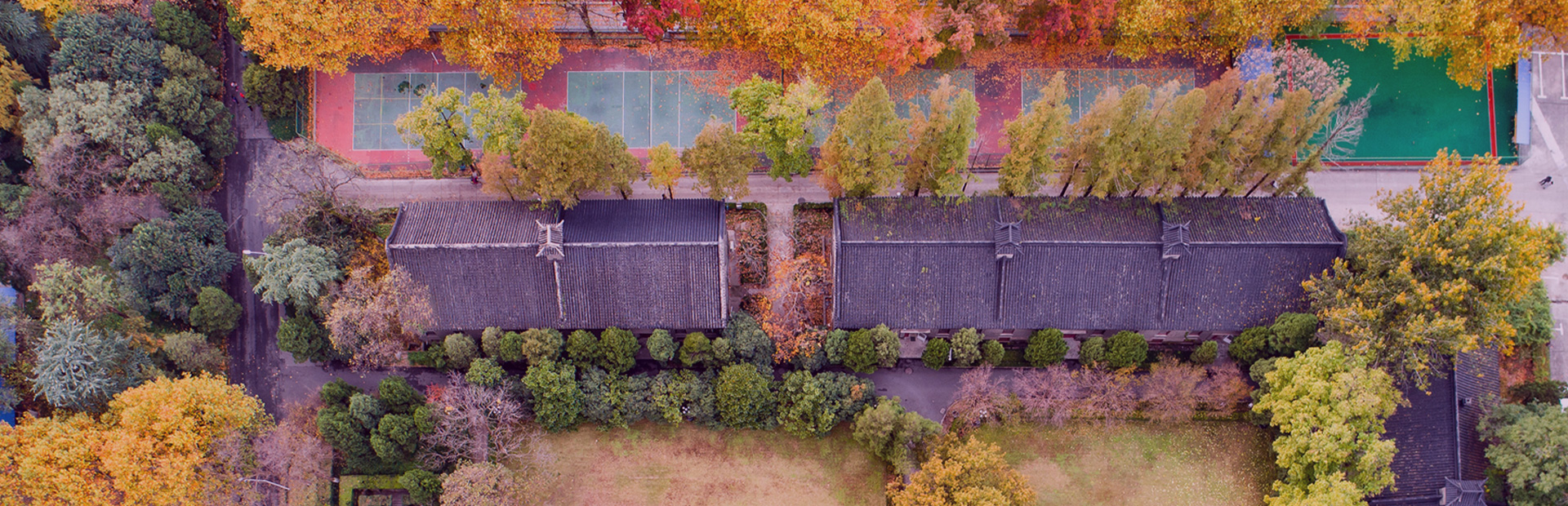
The Museum of Earth Science Nanjing University, located on the Gulou Campus, is dedicated to sharing knowledge about the Earth sciences with the public, showcasing the remarkable wonders of geological evolution, and conveying the scientific philosophy of respecting nature and promoting harmonious development between humanity and the Earth. The museum not only serves as a vital window through which one of Nanjing University's traditionally strong academic disciplines engages with society, but also functions as a core science popularization platform that brings Earth sciences closer to the public and allows them to experience geological culture firsthand.
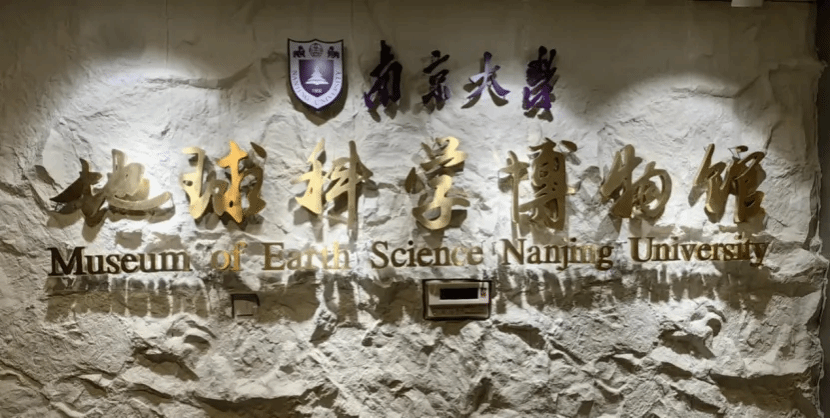
Location: 4th Floor, Tianjiabing Building, Gulou Campus, Nanjing University
Opening Hours: Every Monday, Wednesday, and Friday during the Spring and Autumn semesters; 9:00 AM-11:30 AM and 2:00 PM-4:30 PM.
Additional opening days are scheduled for World Earth Day and Nanjing University's anniversary: April 21, April 23, May 19, May 21, and May 23.
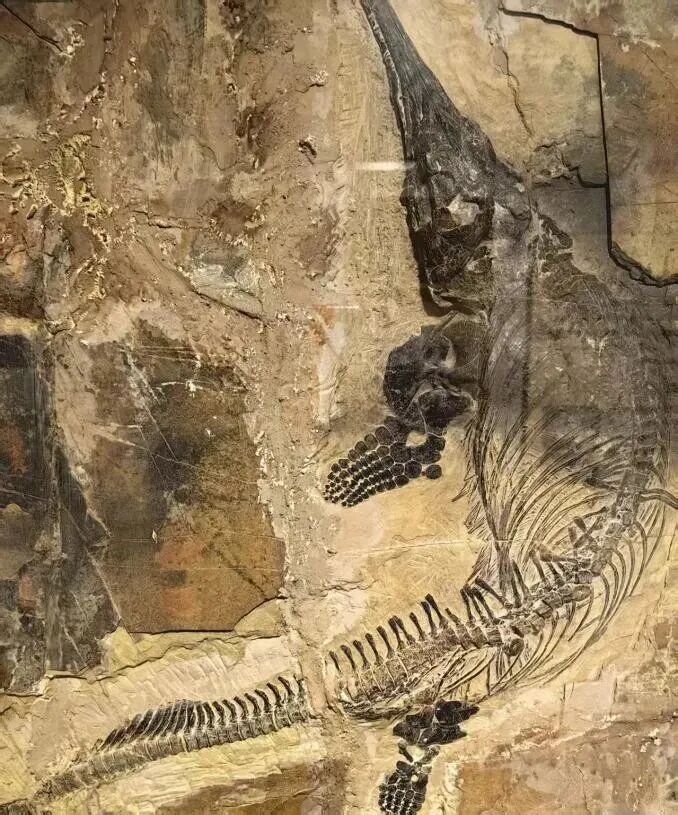
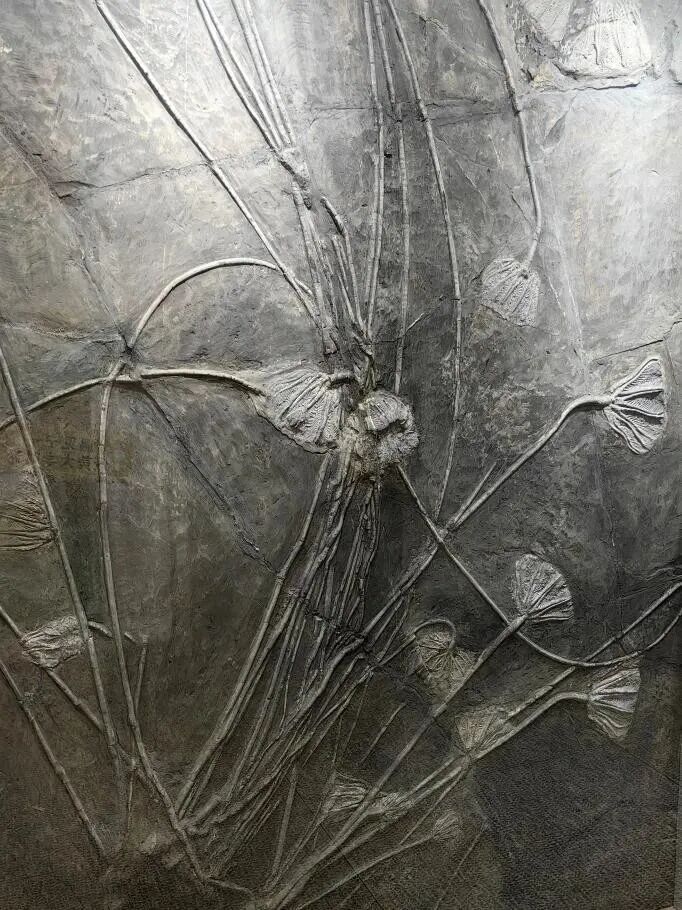
Any extended openings during winter or summer vacations and weekends will be announced separately.
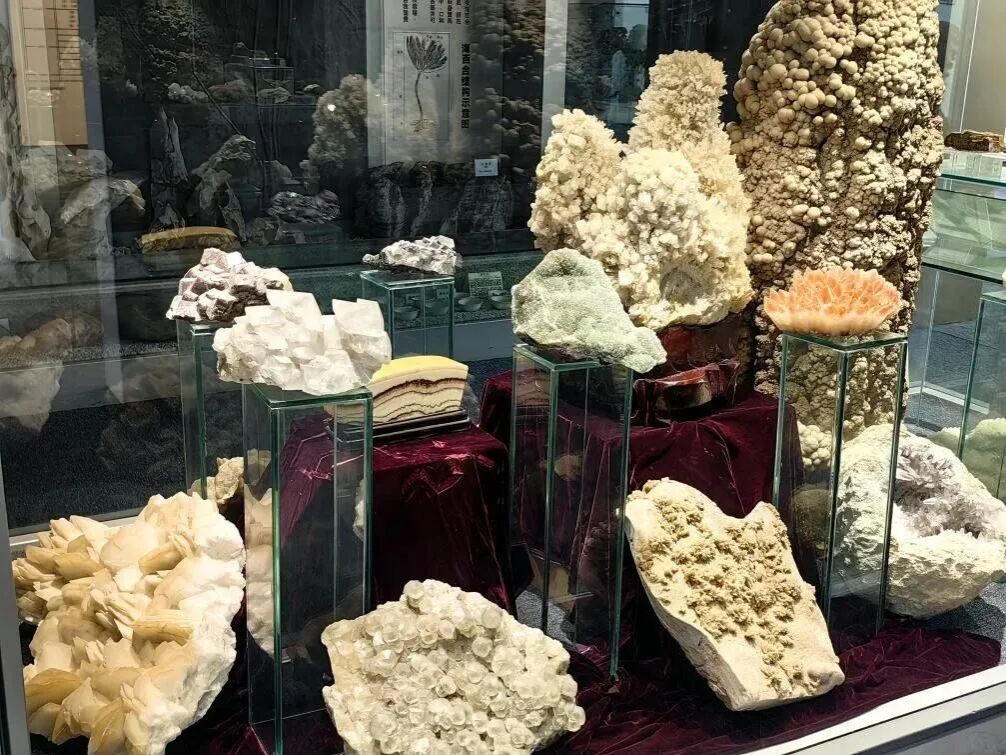
Initially established in 2002 to commemorate the centennial anniversary of Nanjing University, the museum was founded by the Department of Earth Sciences with generous financial support and material donations from alumni and peer institutions. In 2023, the museum underwent comprehensive renovation and reconfiguration. It currently comprises five exhibition halls: the Museum's Treasure Hall, the Minerals, Rocks, and Mineral Deposits Hall, the Plate Tectonics and Structural Deformation Hall, the Evolution of Life and Paleontology Hall, and the Minerals, Rocks, and Chinese Culture Hall. Since its renovation and reopening, the museum not only systematically showcases the university's achievements in talent cultivation and scientific research but also, through its rich geological collections and interactive experiences, contributes to fostering a societal atmosphere that actively encourages and values science popularization.